Table of Contents
- Introduction
- News, and Other Relevant Links
- Related Organizations and Resources
- Featured Resolutions
Since Baltimore passed a Back from the Brink resolution in 2018, other major cities have followed suit.
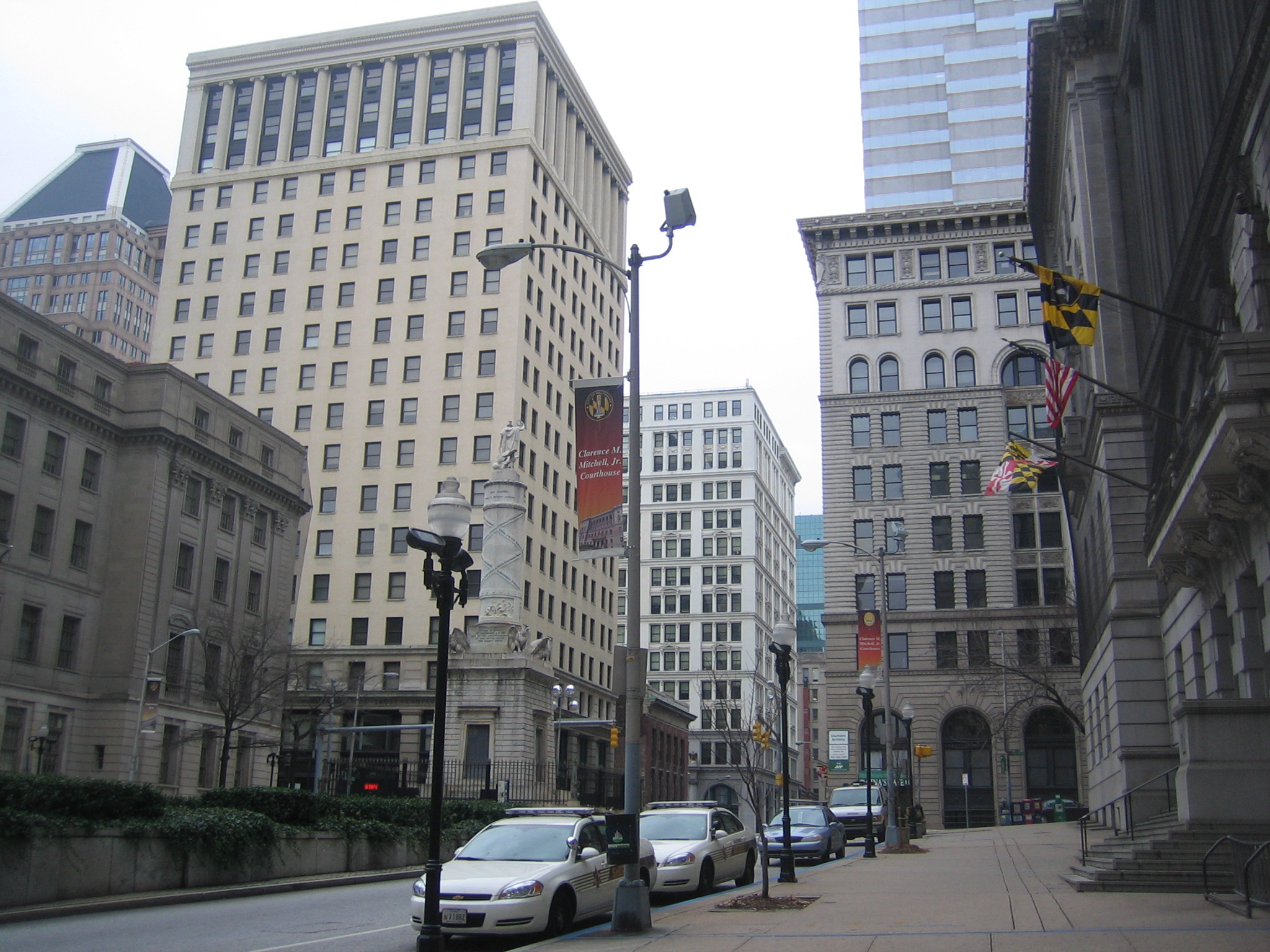
On Aug. 6, 2018, the 73rd anniversary of the bombing of Hiroshima, Baltimore became the first major U.S. city to adopt a Back From the Brink resolution. Historically, Baltimore has been a site of anti-war activism, including the infamous Catonsville Nine—two priests and seven Catholics that set fire to Cantonville records in protest against the Vietnam war in 1968. Thereafter, Baltimore has remained a city dedicated to vibrant citizen-led activist movements with the adoption of a Nuclear Free Zone Ordinance in 1992 and organizations such as Baltimore Peace Action which concentrate on nuclear disarmament. Since Baltimore passed a Back from the Brink resolution in 2018, other major cities have followed suit.
In 2008, Under Mayor Sheila Dixon, Baltimore became a member of Mayors for Peace, reinforcing the city’s commitment to peace and nuclear disarmament. Prevent Nuclear War Maryland, a volunteer coalition, and Chesapeake Physicians for Social Responsibility spearheaded the passage of the 2018 Back from the Brink resolution, demonstrating a continued commitment to nuclear disarmament by organizing citizens and other organizations. Prevent Nuclear War Maryland received dozens of signatures from Maryland organizations in support of the Back from the Brink goals.
Baltimore’s activist community has come together to host numerous rallies to advocate for nuclear disarmament, including those addressing nuclear disarmament. Veterans for Peace’s Golden Rule, a ship sailing to call an end to nuclear weapons and war, docked in Baltimore in April and May of 2023. Veterans for Peace’s programming focused on education with events at local colleges and bookstores, and tours of the boat open to the public. Baltimore City Council passed a resolution legislation welcoming the boat and encouraging citizens to visit it on May 1, 2023.
To commemorate the 80th anniversary of the bombings of Hiroshima and Nagasaki, Baltimore Sister Cities, a volunteer nonprofit aimed at promoting the relationships between Baltimore and its International Sister Cities, hosted a teach-in. Through short films and a panel discussion, the teach-in aimed to analyze the part that people, media, and politicians can play in the elimination of nuclear weapons while assessing the feasibility of their elimination. These efforts demonstrate how Baltimore’s elected officials, grassroots organizations, and citizens have utilized education as a vital tool for their continued peace-promoting practices.
News, and Other Relevant Links
Maryland needs to make its voice heard with other states warning against nuclear war
Maryland Matters (2025)
Baltimore is a legally binding Nuclear Free Zone
Nuclear Ban Treaty Collaborative (2023)
City of Baltimore Becomes First Major City to Endorse Back from the Brink
Back From the Brink (2018)
Justice Action Bulletin: Atomic bomb anniversaries; preventing nuclear war
National Catholic Reporter (NCR) (2018)
Related Organizations and Resources
Featured Resolutions
Public Meeting Summaries
RESOLUTIONS
Council Bill 18-0096R: Request for Federal Action – Move Back From the Brink and Toward Nuclear Disarmament
AUGUST 6, 2018
As requested by Chesapeake Physicians for Social Responsibility and sponsored by Councilmembers Henry, Clarke, Cohen, Dorsey, Bullock, Burnett, Scott, Middleton, Stokes, Sneed, and Reisinger, Baltimore’s Back from the Brink resolution was heard and passed by Council on Aug. 6, 2018.
The resolution follows Back from the Brink’s standard format, calling to renounce first-use, end the president’s unchecked ability to announce nuclear attack, take nuclear weapons off of hair-trigger alert, stop plans to replace the entire U.S. arsenal with enhanced weapons, and have the U.S. reach agreements with nuclear armed states to eliminate their arsenals.
It additionally brings attention to the local cost of maintaining nuclear weapons:
“Whereas just in the past year, Baltimoreans averaged $175 per capita for a ‘nuclear weapons war tax’ paying a collective $107.5 million in federal taxes toward the cost of producing, deploying and maintaining nuclear weapons. Marylanders as a whole averaged $244 per capita, with the state collectively paying an estimated $1.45 billion in 2017 federal taxes toward our country’s cost of nuclear weapons.”
Councilperson Henry remarked on nuclear weapons and spending, stating “We need to invest more of our resources in ourselves and in our children, striving for a future in which our efforts towards building a stronger society are no longer diminished by our efforts to mutually assure our own destruction.”
Ultimately, the resolution employs Congress to take further action.