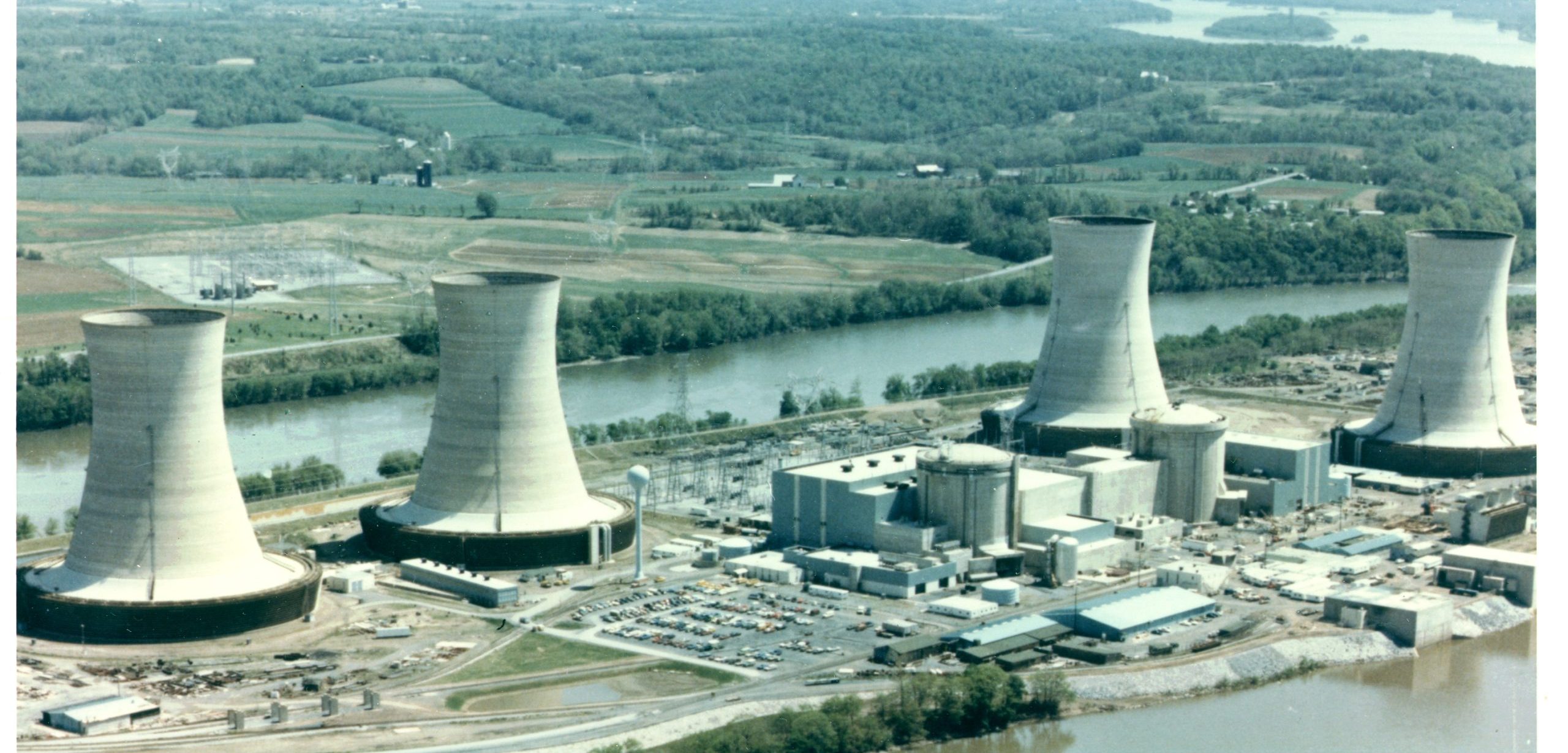
On March 2, 1974, Three Mile Island, a now-shut down nuclear power station near Harrisburg, Pennsylvania, began operation. The plant included two distinct, massive nuclear units, TMI-1 and TMI-2. Together, these units produced enough electricity to power around 1.3 million homes.
On March 28, 1979, Three Mile Island gained notoriety when a mechanical failure in TMI-2 led to the largest commercial nuclear accident in U.S. history. At 4:00 AM on March 28, a trip in one of the main pumps led the entire plant’s turbine to shut down. This created an extremely hot and high-pressure environment within the plant, leading to fear of explosion. While this would normally be fixed by an operator, a glitch in the indicator’s electric signal failed to show the position of the valve. As operators were unaware of the malfunction, they failed to correct the mechanical error.
To correct the increased containment pressure, operators had to intentionally vent radioactive gases into the atmosphere. While this prompted widespread public concern, the average radiation dose the two million residents living in the affected area were exposed to was roughly 1 millirem — only 1/6th of the radiation received from a single chest X-ray.
Two days after the accident, on March 30, panic arose among officials that the hydrogen bubble located inside the reactor would explode or ignite. This led former Pennsylvania Governor Dick Thornburgh to create an evacuation order for all women and preschool-aged children within five miles of the plant. Over 100,000 residents fled in panic. Former U.S. President Jimmy Carter visited the site on April 1 to reassure the public that the hydrogen bubble was shrinking, the reactor was stable, and there was no need for alarm.
The accident left behind widespread fear of radiation-related health effects. The Pennsylvania Department of Health claimed its research showed no statistically significant increased risk of cancer or other long-term health anomalies for the affected population. However, over 2,000 plaintiffs filed subsequent lawsuits for radiation-related illnesses, including leukemia, birth defects, miscarriages, and thyroid cancer, property damage and devaluation, and emotional distress. The most significant settlement resulted in $250 million being awarded in claims for 2,000 residents in 1996.
While the true scale of the health-related impacts of this accident are still unknown, it served as a wake-up call for nuclear plants around the U.S. The accident inspired the fight for stricter regulation, the elimination of nuclear plants, and more careful oversight protocols, a movement that became so widespread it was coined the “Three Mile Island Effect.” This effect led to reconsideration of the ethics of these plants. This prompted efforts by both corporations and federal officials to delay or halt construction of any new U.S. power plants for over three decades and to devote $1 billion and 14 years to a complete cleanup of TMI-2. This effort also led to the creation of the Institute for Nuclear Power Operations (NIPO), which created strict training protocols for operators, including simulators to prepare operators to handle multi-faceted emergencies. The safety concern also led to more widespread skepticism of nuclear weapons in general, as the machinery they require has the potential for massive accidents. The Three Mile Island Accident allowed people to see what could happen from a single nuclear reactor malfunctioning, prompting even more concern for larger weapons projects.
TMI-2 has been permanently inactive since the 1979 accident. TMI-1 resumed its operations in 1985 and ran safely for over 30 years before being shut down in September 2019, due to financial reasons.
In September 2024, Constellation Energy announced plans to invest $1.6 billion to restart TMI-1 — renamed the Crane Clean Energy Center — to reopen in 2028. Constellation Energy entered a 20-year power purchase agreement with Microsoft, which has allowed it to quickly renovate TMI-1. Currently, Constellation estimates the plant could be ready for reopening as soon as 2027.
This renovation has faced mixed feedback. On one hand, the renovated plant could generate about 835 MW of electricity, enough to power around 800,000 homes, and could help support the blooming data center industry, in addition to providing an enormous non-fossil fuel power source. On the other hand, opposition is concerned about safety risks, nuclear waste storage, and the symbolic significance of the site.
Three Mile Island has served as one of the most significant catalysts shaping the history of nuclear proliferation in the U.S. The massive increase in oversight and regulation prompted by this accident not only prevented future errors, but inspired a generation of activists to question the ethicality and safety of nuclear power as a whole.
Resources, News, and Other Relevant Links:
- PA Dept of Health Study
- Three Mile Island Accident, World Nuclear Association (2026)
- Three Mile Island nuclear plant will reopen to power Microsoft data centers, NPR (2024)
- Three Mile Island’s Cancer Legacy?, Science (1997)